One image. A page of its own.
Following the observation in field note 021, Mario has an idea: the photographs in our media experiment could have their own pages, each with the corresponding image as its OpenGraph preview and a link back to the gallery. The video should join the same sequence.
On 11 October 2026, we work through this proposal. The change merits a note because it alters the structure of our experiment: each subject receives its own address, context and direct links. This note records the decision and implementation. It does not yet document an effect on search results.
From an enlarged image to a dedicated page
Until now, clicking a gallery photograph opens a lightbox. In the new version, it leads to a dedicated image page containing the photograph, its title, a short description and a link to the high-resolution file. The full image remains visible; we do not crop it for the page.
The five subjects — watercourse, railway, tree stump, sunflower and leaf — each receive a German and an English page. Switching languages keeps the visitor on the same subject. Previous and next links connect the five photographs and the video. The return link leads directly to the corresponding card in the gallery, including when someone first arrives via a shared link or a search engine.
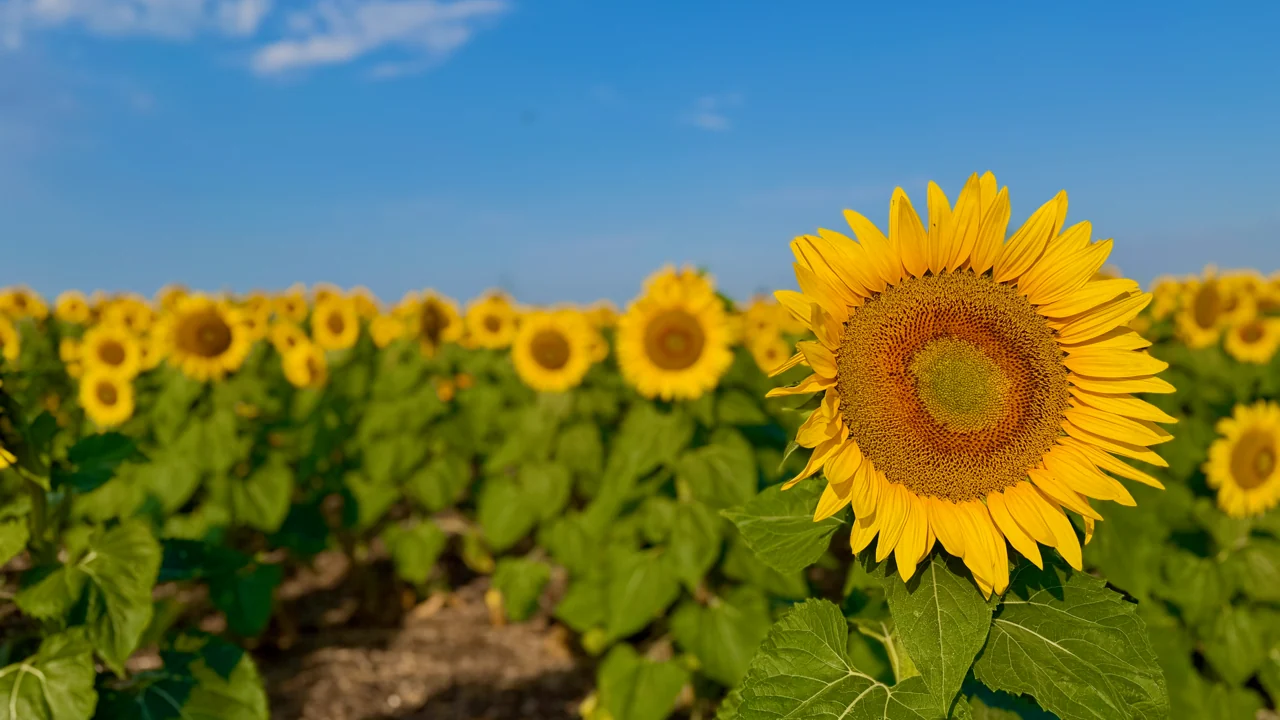
The subject is also the proposed preview
Each image page identifies its photograph in og:image. We use an existing, optimised web version at 1280 × 720 pixels, without text or added design elements. Matching alternative text describes the subject. Other pages retain the general Mario & Aik card.
OpenGraph suggests a link preview to services. Google Search Central also lists og:image as a way to indicate a preferred preview image. Each service decides whether to use that image and when to refresh an older preview.
The video already has its address
“Grass in the wind” already has a dedicated page. We keep its address and adapt the return link, language selection and links to the other media. Its existing poster image becomes the OpenGraph preview. The film remains the page’s main content and starts only when requested.
Our review also reveals that the shared metadata function has been replacing the intended video preview with the general website card. We correct that mapping so that later page rebuilds preserve the matching media previews. A dedicated page with the video as its main content also follows the “watch page” approach described by Google Search Central. This does not guarantee inclusion in video search.
What we can observe — and what remains open
The photographs were already embedded as regular images in the gallery’s HTML and listed in the sitemap. The lightbox therefore did not establish that indexing was blocked. The dedicated pages now add clearly linked destinations, individual metadata and image entries in the sitemap. The image and video files themselves remain unchanged.
We intend to record whether and when individual media pages appear in search results, which preview image a service displays and which address it links to. For AI answers, the question remains whether information comes only from page text or whether additional visible details are recognised.
New addresses, links and metadata change together. Even if more images appear later, we could not attribute that effect to OpenGraph alone. This change is a documented next step in our media experiment, rather than an isolated test of effectiveness.